


Unique Architecture: Places to Visit in Hanoi for Design and History
Hanoi, the capital city of Vietnam, is a city rich in culture, history, and architecture. Its distinct blend of traditional Vietnamese and French colonial influence creates a dynamic range of architectural styles found throughout the city. For design and history enthusiasts, Hanoi offers a fascinating journey through time, with buildings and landmarks that reflect the city's past, present, and future. This article aims to showcase some of the unique architecture in Hanoi that should be on any design and history aficionado's list of places to visit.
>>SEE MORE: The best interesting places in Hanoi for passengers
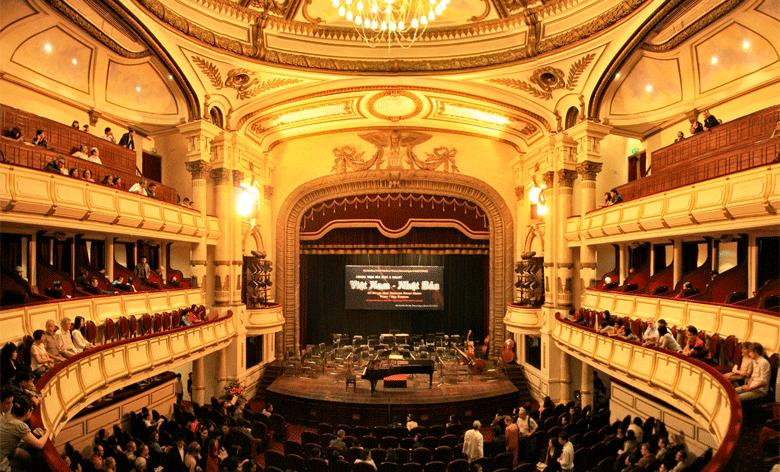
Hanoi Opera House
The Hanoi Opera House is an architectural masterpiece built-in 1911 by French architects. The building was designed to resemble the Palais Garnier opera house in Paris, and it's an ideal place for art and architecture lovers. The stunning façade reflects the neo-classical architecture of the French period, with intricate carvings, columns, and an ornate roof. Inside, visitors can enjoy a variety of performances and art exhibitions, as well as admire the opulent décor of the auditorium.
Temple of Literature
The Temple of Literature is a must-visit attraction for those interested in history and architecture. Built-in 1070, it was Vietnam's first university, and it's considered a symbol of education and knowledge. The complex comprises several buildings, including courtyards, pavilions, and statues, showcasing the traditional Vietnamese architecture of the time. The highlight of the Temple of Literature is the Stelae of Doctors, a collection of 82 stone slabs engraved with the names of doctors who passed the royal exams during the 15th century.
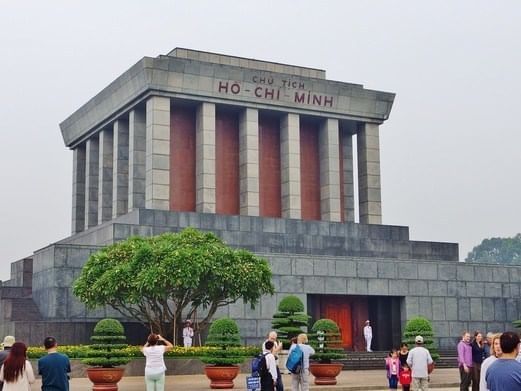
Ho Chi Minh Mausoleum
The Ho Chi Minh Mausoleum is one of the most iconic and historically significant buildings in Hanoi. The massive concrete structure houses the preserved body of Ho Chi Minh, the legendary leader of Vietnam's independence movement. The building's design is austere, with a simple façade and muted tones, reflecting the country's political and social values. Visitors can enter the mausoleum to pay their respects to Ho Chi Minh and learn more about Vietnam's history and legacy.
Long Bien Bridge
The Long Bien Bridge is an architectural gem that spans the Red River, connecting the Old Quarter to the Long Bien district. Built between 1899 and 1902, the bridge reflects the French colonial period's engineering and design influence, with its steel structure and wrought iron details. The bridge played a significant role in Vietnam's history, serving as a crucial supply route during the wars with France and the United States. Visitors can walk or bike along the bridge and enjoy the stunning views of the surrounding landscape.
St. Joseph's Cathedral
Built-in 1886, St. Joseph's Cathedral is one of the oldest and most beautiful churches in Hanoi. The Gothic-style building features stunning stained-glass windows and intricate stone carvings. Inside, visitors can admire the vaulted ceiling, sweeping arches, and ornate altar. The cathedral's façade is especially striking when lit up at night, drawing visitors and locals alike to its tranquil ambiance.
Presidential Palace
The Presidential Palace is an impressive building that served as the residence of Vietnam's presidents from 1954 to 1975. The palace showcases a unique blend of traditional Vietnamese and French-colonial architecture, with its yellow façade, tiled roof, and ornate details. The palace's interior features elegant décor, including chandeliers, marble staircases, and antique furniture. Visitors can take a guided tour of the palace's impressive halls, chambers, and gardens to appreciate Vietnam's rich cultural heritage.

One Pillar Pagoda
The One Pillar Pagoda, built-in 1049, is an iconic landmark of Hanoi's architectural and spiritual significance. The pagoda's unique design resembles a lotus flower rising from the water, symbolizing enlightenment, and purity. The wooden structure perches atop a single stone pillar, adding to its distinctive charm. The pagoda is a revered religious site and attracts thousands of visitors each year for prayer and reflection.
Hanoi's unique architecture reflects the city's rich history and cultural diversity. From the French-colonial influence to traditional Vietnamese design, the city's buildings and landmarks offer a fascinating journey through time. Visitors to Hanoi can immerse themselves in the city's architectural legacy and appreciate the beauty and significance of its landmarks. Whether you're a design enthusiast or a history buff, Hanoi has something for everyone.
>>SEE MORE: https://vnvisaonarrival.online/what-is-famous-in-vietnam